How to Cook Corned Beef: Best Cuts, Methods & Foolproof Tips
Corned beef has long been one of the most comforting and flavorful dishes in American kitchens. What began as a humble Irish-American staple has evolved into a year-round favorite — a dish that fills the home with warmth, nostalgia and that unmistakable aroma that tells you something special is cooking. More than a St. Patrick’s Day tradition, corned beef has become a celebration of good food and togetherness, the kind of meal that invites people to slow down, share stories and enjoy the moment.
There’s a rhythm to making great corned beef — one that rewards patience and attention to detail. It starts with a quality cut of beef brisket and a careful balance of salt, spices and a touch of sweetness. Over slow hours of cooking, that tough cut transforms into something melt-in-your-mouth tender, infused with rich, savory flavor. It’s a process that reminds us why slow cooking still matters: some of the best things simply take time.
At A Taste of Excellence Catering, we’ve spent decades mastering this craft, preparing corned beef brisket for everything from grand weddings to intimate family dinners. We know that the smallest details — the right spice blend, the proper cooking temperature, the perfect moment to slice — make all the difference. To us, corned beef isn’t just comfort food; it’s a symbol of hospitality. With the proper care, this traditional dish becomes more than a recipe; it becomes an experience worth remembering.
What Makes the Best Corned Beef
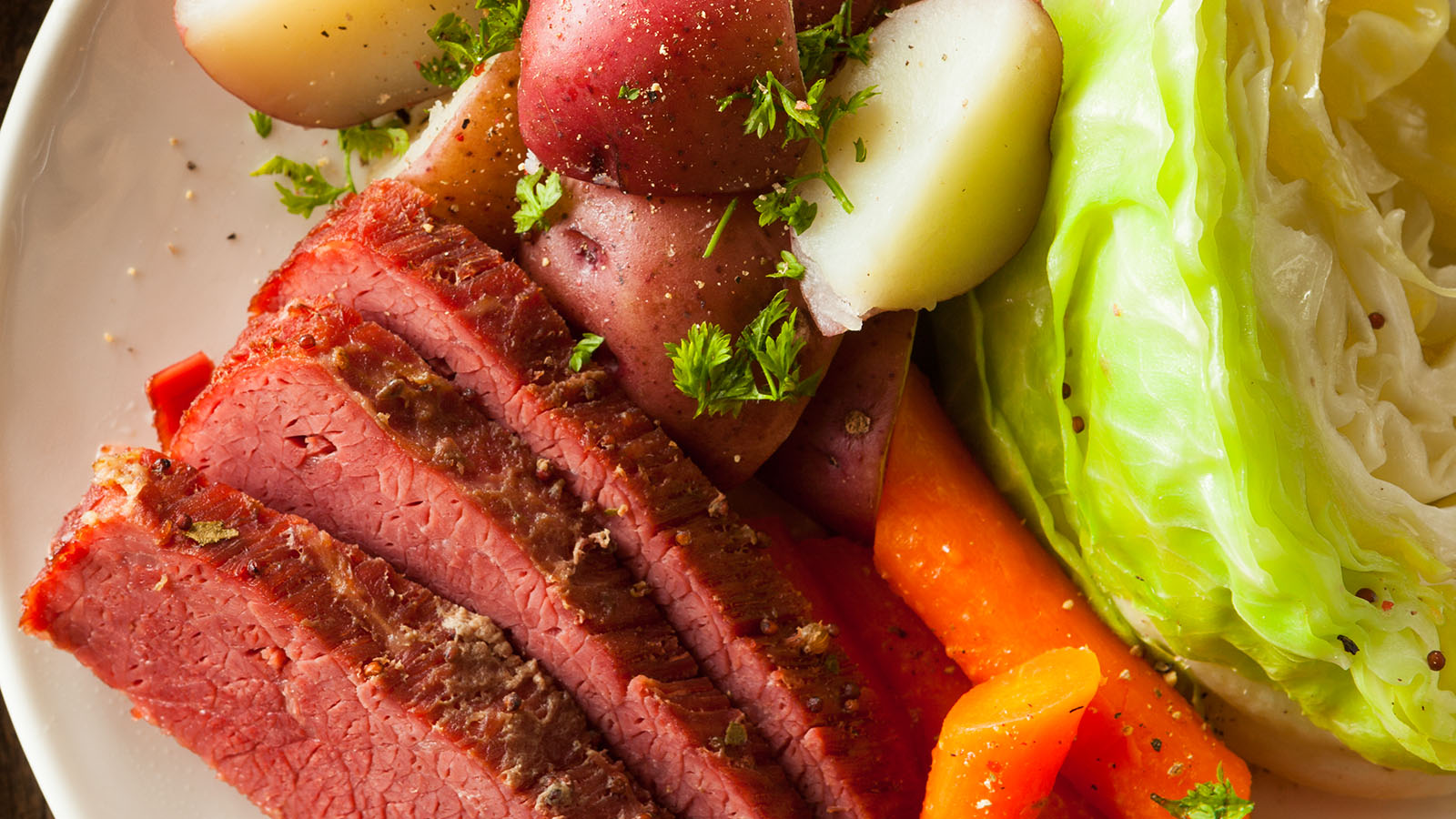
Every great corned beef dinner starts long before it ever reaches the plate. It begins with something simple — a quality cut of brisket, a little patience and an appreciation for the craft. Corned beef isn’t a dish that rewards shortcuts. It’s built slowly, layer by layer, as the brine, spices and heat work together to transform a tough cut into something tender and deeply flavorful.
At its core, corned beef is beef brisket cured in a salt brine infused with spices like mustard seeds, peppercorns, bay leaves and a hint of brown sugar. This process does more than preserve the meat; it develops character. Over time, the brisket absorbs the spices, creating that signature balance of salty, savory and subtly sweet flavor that has made corned beef such a beloved classic.
The real difference between a good corned beef and an exceptional one comes down to care and control. High heat or a rushed cook can make the brisket tough, while an under-seasoned brine leaves it flat and forgettable. The best results come from cooking low and slow — whether you’re simmering it gently in a Dutch oven with beef broth and onions or letting it tenderize for hours in a slow cooker with a pickling spice packet. When a fork slides in easily and the meat gives just enough resistance, you’ve hit the perfect texture.
There’s an old Irish-American saying that good corned beef doesn’t need dressing up — it just needs time. Once it’s cooked, let it rest before slicing against the grain. That simple step ensures each slice is moist, tender and full of flavor.
In many ways, corned beef is a celebration of what home cooking stands for: taking something humble and turning it into comfort on a plate. It’s not just a dish for holidays like St. Patrick’s Day; it’s a timeless meal that brings people together, filling the kitchen with the kind of warmth only real food — and real patience — can create.

Choosing the Right Cut of Corned Beef
Before you can cook the perfect corned beef, it starts with choosing the proper cut, and knowing what to look for at the butcher’s counter makes all the difference. Traditionally, corned beef is made from beef brisket, a hardworking muscle from the lower chest of the cow. Because this muscle supports much of the animal’s weight, it’s naturally tough, but that toughness is exactly what makes it so rewarding. With a proper salt brine and a slow cooking process, brisket transforms into something tender, juicy and packed with flavor.
Brisket comes in two main cuts: the flat cut brisket and the point cut. The flat cut, also known as the “first cut,” is leaner and more uniform in shape, which makes it ideal for slicing and presentation — perfect for those picture-ready St. Patrick’s Day meals or elegant buffet spreads. The point cut, on the other hand, has more marbling and connective tissue that melt during cooking, creating a rich, juicy texture and bold flavor. It might not slice as neatly, but what it lacks in looks, it makes up for in taste. Many chefs prefer it for slow-cooker corned beef or casual family dinners where flavor comes first.
You may also see a round cut offered as an alternative. This cut, taken from the cow’s hind leg, is leaner and less traditional. It can work well for thinly sliced sandwiches, but it’s more prone to drying out and needs extra care to stay tender. Regardless of the cut, patience is the secret ingredient — corned beef rewards time, not shortcuts.
For the best results, start with a whole brisket cured in a balanced spice blend that includes mustard seeds, bay leaves, peppercorns and a touch of brown sugar. If you’re making your own brine, a mix of pickling spice, salt brine and a bit of sweetness will give you that classic flavor. Whether you rely on a store-bought seasoning packet or craft your own, what matters most is balance — allowing the beef’s natural richness to shine through while layering in warm, aromatic spices.
At A Taste of Excellence Catering, we’ve prepared every kind of corned beef imaginable — from small-batch briskets for intimate dinners to whole roasts for large banquets. Through it all, one thing has remained constant: good corned beef begins with good meat. When you start with quality, respect the process and give the brisket time to become tender, the result is a meal that’s as memorable as it is delicious.

The Best Ways to Cook Corned Beef and Cabbage
There’s no single “right” way to cook corned beef and cabbage — only the way that fits your kitchen, your schedule and your style. Whether it’s gently simmering on the stovetop, slow-cooking all day in a crock pot or roasting low and slow in the oven, each method brings something unique to the table. The secret, no matter which you choose, is patience. Corned beef rewards slow heat and time, allowing the flavors to develop fully until every bite is tender, flavorful and deeply satisfying.
For those who love tradition, the stovetop method remains a classic. Start with a large Dutch oven or stockpot filled with water or beef broth, add your brisket (fat side up so it bastes as it cooks) and season with a pickling spice packet. Bring it to a boil, then reduce to a gentle simmer for about three hours, adjusting for size. Near the end, toss in red potatoes, carrots, sliced onions and cabbage wedges. As they simmer together, the vegetables absorb the savory broth, creating a full, well-rounded meal that feels both rustic and refined.
If convenience is your priority, the slow cooker is a game-changer. Add your brisket, seasoning packet, beef broth and vegetables to the crock pot, set it to low and let it cook for eight to ten hours. The result is fall-apart tenderness with almost no effort. It’s the perfect option for busy days when you still want a homemade meal that feels like it took all day — because technically, it did.
For something a little different, the oven method delivers incredible flavor with minimal oversight. Place your corned beef in a roasting pan with enough liquid — water, beef broth or even dark beer for extra richness — to cover about a third of the meat. Cover tightly with foil and bake in a preheated oven at 325°F for two and a half to three hours. The gentle steam tenderizes the brisket while the dry heat caramelizes the surface, adding a subtle depth that makes each bite unforgettable. For a final touch, brush the top with a glaze of whole grain mustard and brown sugar, then broil for a few minutes to create a savory-sweet crust that elevates the dish even more.
No matter which method you choose, always let the brisket rest before slicing it against the grain. This small step makes all the difference, ensuring the meat stays juicy and tender. Pair it with buttered cabbage, tender red potatoes and a spoonful of horseradish sauce for a traditional finish that never goes out of style.
Cooking corned beef isn’t about complexity or precision; it’s about care. With the right approach, this humble dish becomes something greater than the sum of its parts: a meal that captures the heart of comfort food and the timeless joy of sharing it.

Tips for Perfecting Corned Beef
Cooking corned beef isn’t complicated, but mastering it takes a little finesse. The line between good and incredible often comes down to patience, technique and attention to detail. With a cut like brisket, every choice — from cooking time to slicing — affects the final texture and flavor. Whether you’re using a slow cooker, Dutch oven or roasting pan, it’s the small, intentional steps that turn this classic dish into something unforgettable.
Avoid Overcooking
It’s easy to think that longer cooking means more tenderness, but, with corned beef, too much time can actually make the meat tough. The goal is fork-tender, not falling apart. On the stovetop, plan for about three hours for a three-pound brisket. In a slow cooker, eight to ten hours on low usually works best. If you’re using an Instant Pot, aim for around 90 minutes on high pressure. The simplest test is also the most reliable. When a fork slides in easily and the meat holds its shape when lifted, it’s ready.
Slice Against the Grain
This step is small but makes all the difference. Brisket has long muscle fibers that can turn stringy if sliced the wrong way. Always let your cooked brisket rest for about 10 minutes, then slice it thinly against the grain. This shortens the fibers and gives you that smooth, tender texture people associate with perfectly cooked corned beef.
Layer in Flavor
Corned beef has a timeless flavor, but it also invites creativity. Try simmering it in dark beer instead of water for extra richness, or add soy sauce, whole grain mustard and a touch of brown sugar to the cooking liquid for more depth. Aromatics like bay leaves, sliced onions and crushed red pepper bring brightness, while a sprinkle of fresh parsley at the end adds color and freshness. Small adjustments like these turn a traditional recipe into something distinctly your own.
Let It Rest
Once the brisket is done, don’t rush to slice it. Letting it rest on a large platter, loosely covered with foil, allows the juices to redistribute. This simple pause ensures every bite stays moist and flavorful. The same rule applies if you plan to refrigerate or reheat it later — resting first helps the meat retain its texture and flavor.
Store and Reheat Properly
Corned beef keeps beautifully if stored the right way. Place leftovers in an airtight container with some of the cooking liquid to preserve moisture. It’ll stay fresh for three to four days in the refrigerator or up to three months in the freezer. When reheating, add a splash of beef broth or water to bring back that tenderness without adding extra salt.
At A Taste of Excellence Catering, we’ve made corned beef for every kind of gathering — from elegant banquets to cozy family dinners — and the same rule applies every time: respect the process. Don’t rush, don’t overcomplicate and never skip the details. With a bit of care, patience and intention, you’ll end up with a dish that’s not just delicious but memorable. The kind that makes people linger at the table for just one more bite.

Creative Dishes and Leftover Ideas
Corned beef may take center stage on St. Patrick’s Day, but its appeal reaches far beyond a single celebration. Once you’ve mastered how to cook corned beef brisket, the real creativity begins — finding fresh, flavorful ways to reinvent it. At A Taste of Excellence Catering, we’ve seen families and couples turn leftovers into new favorites that feel anything but ordinary. The beauty of corned beef is its versatility; it’s just as delicious the next morning as it was the night before.
One of the most beloved ways to give leftover corned beef new life is corned beef hash. There’s a reason it’s a breakfast classic. When diced corned beef meets red potatoes, onions and peppers in a hot skillet, the result is a dish that’s hearty, crispy and full of flavor. The trick is patience — let the potatoes brown before stirring so they form those golden edges that make a hash irresistible. Finish it with a fried egg and a sprinkle of chopped parsley for a plate that feels both comforting and indulgent.
If you want something richer, the classic Reuben sandwich never disappoints. Thin slices of corned beef layered with Swiss cheese, sauerkraut and Thousand Island dressing on toasted rye bread create that perfect balance of savory, tangy and creamy. The secret is gentle reheating — warm the beef just enough to release its flavor without drying it out. It’s a deli favorite that always delivers.
For gatherings, corned beef and cheese sliders are an instant crowd-pleaser. Picture mini sandwiches brushed with melted butter, mustard seeds and a touch of brown sugar, then baked until the cheese melts and the tops turn golden. They’re bite-sized, full of flavor and disappear as quickly as they come out of the oven.
Looking to shake things up? Try corned beef tacos with shredded cabbage and a drizzle of horseradish sauce or grain mustard. The mix of tangy, spicy and smoky flavors surprises everyone at the table. Or go the comfort route with corned beef shepherd’s pie — layer your leftovers with mixed vegetables, top with mashed potatoes and bake until golden and bubbling.
Even the smallest portions can go a long way. Finely chopped corned beef adds depth to scrambled eggs, potato soup or pasta bakes. Each dish carries that signature brined richness in a new, exciting way.
Corned beef is more than a one-day tradition; it’s a foundation for creativity in the kitchen. With a bit of imagination, it transforms from a holiday centerpiece into a week’s worth of meals that feel homemade, comforting and full of heart. At A Taste of Excellence Catering, we believe that great cooking isn’t just about one perfect meal — it’s about making every leftover just as special as the first.

Bringing Tradition to the Table
Few meals capture comfort and connection quite like a perfectly cooked corned beef. It’s more than just a dish; it’s a shared tradition — one that’s been passed from generation to generation through family kitchens and festive gatherings. At A Taste of Excellence Catering, we see corned beef as more than a recipe. It’s an experience that invites people to linger, to laugh and to savor the kind of meal that makes time slow down — even just for a while.
What makes corned beef and cabbage so timeless is its simplicity. A few humble ingredients — brisket, cabbage wedges, potatoes, carrots and a blend of aromatic spices — come together to create something extraordinary. Whether it’s simmering gently in a Dutch oven, slow-cooked all day in a crock pot or baked low and slow until fork-tender, the process transforms the simplest components into a meal full of warmth and depth. What matters most isn’t following the “right” recipe; it’s making it your own.
For some, that means brushing the brisket with a glaze of whole-grain mustard and brown sugar before roasting it in a preheated oven. For others, it’s all about the stovetop simmer — a traditional boil enriched with a splash of dark beer or beef broth for a richer, more complex flavor. However you choose to prepare it, the essentials never change: patience, quality ingredients and the willingness to let the process unfold naturally.
When the cooking is done, what fills the table is more than just food — it’s a reminder of what it means to gather. The first slice of tender meat, the aroma of cabbage and carrots, the clink of glasses raised in celebration — these are the moments that turn a simple meal into a memory.
So whether you’re cooking your very first brisket or perfecting a family favorite, remember that corned beef is as much about tradition as it is about taste. With care, patience and a touch of creativity, it becomes more than a dish — it becomes part of your story, one that your family will remember long after the plates are cleared.
At A Taste of Excellence Catering, that’s what we believe great food is all about. It isn’t perfection that makes a meal special — it’s presence. Every dish we prepare is meant to bring people together, to create moments that remind us why we gather and what truly matters when we do.